[VOL. 01 / ISSUE 001]

IntelligentEditorialLayout.

A statement

On the architecture of the spread.

LAYOUTICA develops AI-assisted systems that compose sophisticated editorial layouts — driven by image relationships, narrative logic, and the rhythm of visual storytelling.
First product Alpha — 2026
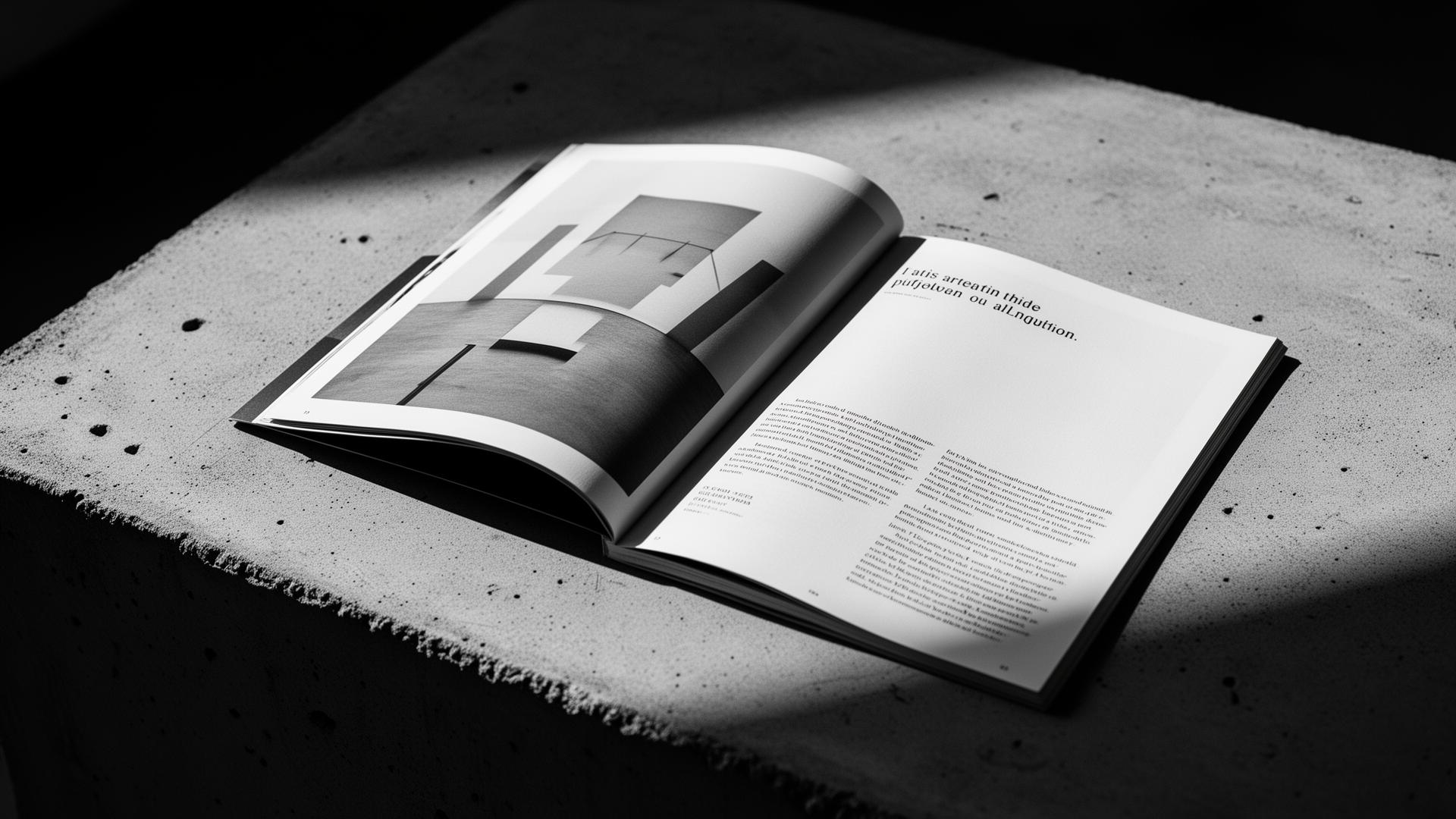
Open editorial spread on concrete, dramatic raking light
Fig. 01 / Spread Study — Concrete, ink, light
05//26
Image rhythmVisual hierarchyWhite spaceNarrative pacingModular gridsAsymmetrySpread balanceEditorial tensionImage rhythmVisual hierarchyWhite spaceNarrative pacingModular gridsAsymmetrySpread balanceEditorial tension
§ 02Visual System

Composition, not template.

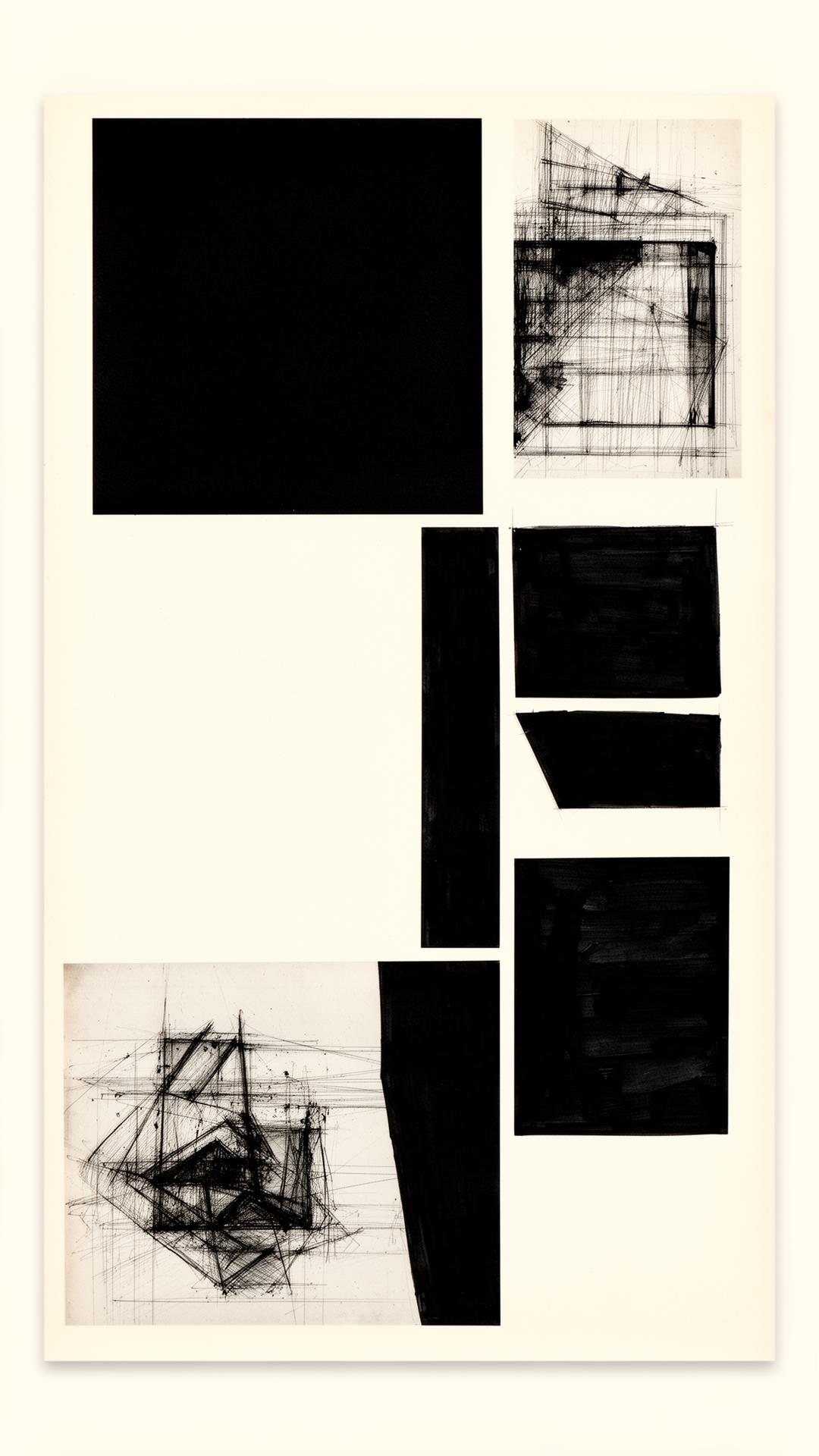
Brutalist editorial composition of ink shapes and grids Composition Study 003 / Weighted blocks

Principle 01

Images carry weight
before they carry meaning.

Scale, contrast, and position arrange a reader's attention before a single caption is read. LAYOUTICA models that gravity.

+ Rhythm
+ Tension
+ Hierarchy
+ Balance
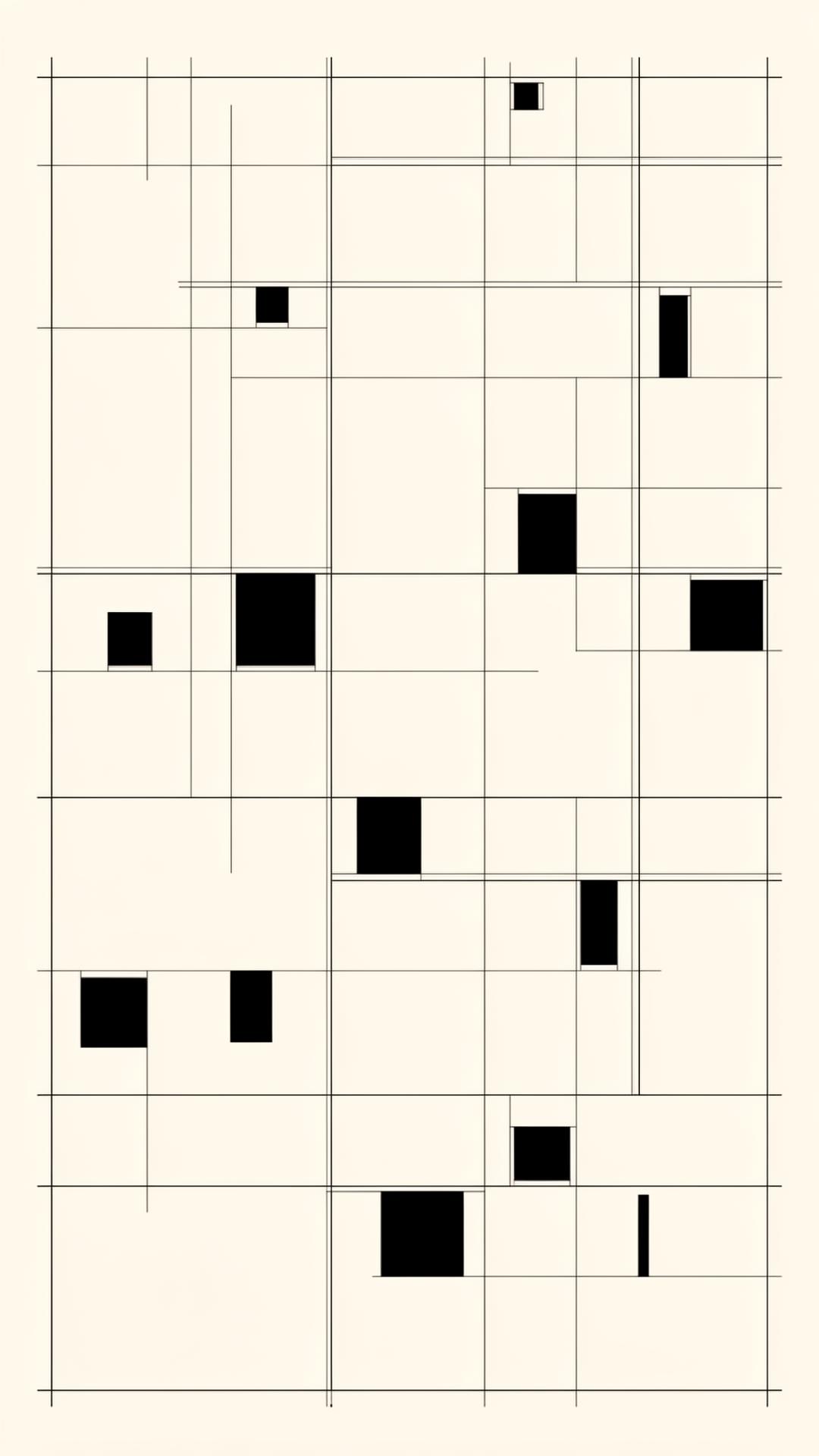
Abstract editorial grid logic with weighted image blocks
Fig. 03 / Grid as score
Stack of art magazines in dramatic light
Fig. 04 / Folio, references
§ 03Philosophy

Composition as authorship.

ITenet

Layouts are narrative systems.

A spread carries a story before a sentence does. We treat composition as the first act of editing.

IITenet

Images create tension, not decoration.

Scale and proximity perform on the page. Two photographs become a sentence when placed in relation.

IIITenet

White space is structural.

Silence sets the pace. Margins are not what's left over — they are what holds the work together.

IVTenet

AI should assist art direction, not replace it.

We design tools that propose, defer, and disappear. Authorship remains with the designer.

VTenet

Great layouts emerge from relationships.

Between image and image, image and space, type and silence. The system listens to all of them.

§ 04The Folio

Editorial Layout Builder.

Alpha — by invitation

An experimental system for composing editorial layouts.

Less software, more studio. The Builder reads your images for weight, relation, and rhythm, then proposes spreads as drafts — never as answers.

Join the Alpha
  1. 01Modular grid generation
  2. 02Image weighting & rhythm
  3. 03Visual hierarchy modeling
  4. 04White space as a parameter
  5. 05Narrative flow between spreads
  6. 06Asymmetric composition logic
  7. 07Type scale & tracking systems
  8. 08Cinematic spread sequencing
§ 05For

Designed for those who read with their eyes.

  • Editorial designers/
  • Art directors/
  • Magazines/
  • Visual storytellers/
  • Publishing studios/
  • Design research labs/
  • Experimental media teams/
  • Independent publishers

§ 06 — Alpha

Request alpha access.

The Builder is opening to a small circle of editorial designers, art directors and independent publishers. Leave a line, and we will write back.

One reply, no newsletter. We respect the silence.